Education & Insights
Why the US Extension of AGOA Matters for African Businesses and What It Means for E-commerce Logistics

Kay Kathambi
—
7 minutes
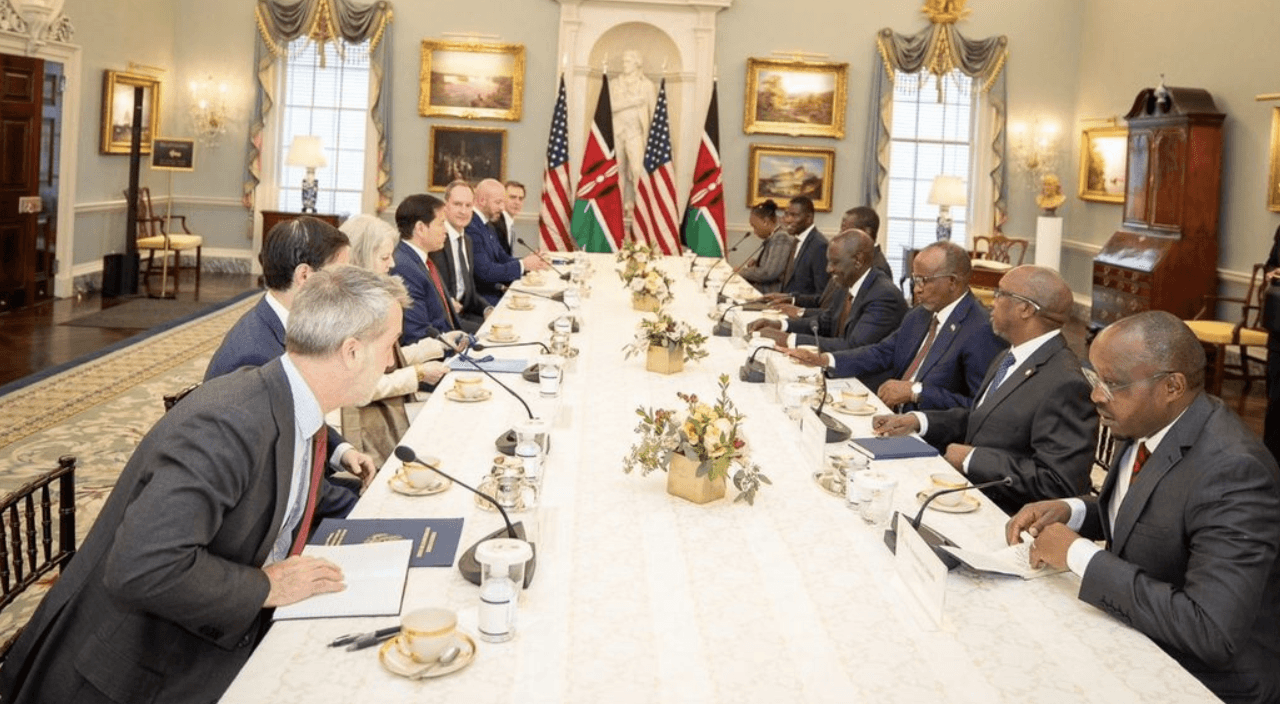
On 14 January 2026, the United States Congress passed an extension of the African Growth and Opportunity Act, AGOA (article) a trade framework that has shaped Africa–US commerce for over two decades.
For more than 25 years, AGOA has provided eligible African countries with duty-free access to the US market. That access has helped build industries across Sub-Saharan Africa from textiles and apparel to coffee, tea, and horticulture.
The recent extension, now running through at least 2028, sends a clear message: trade between Africa and the US remains a strategic priority.
But this moment is bigger than policy. It is about opportunity and execution.
Market Access Is Only Half the Equation
For Kenyan exporters and businesses across Sub-Saharan Africa, AGOA has opened doors that were once closed. Factories have scaled. Jobs have been created. Local brands have found international customers.
However, access to the US market does not automatically translate into growth.
Demand does not fulfill itself.
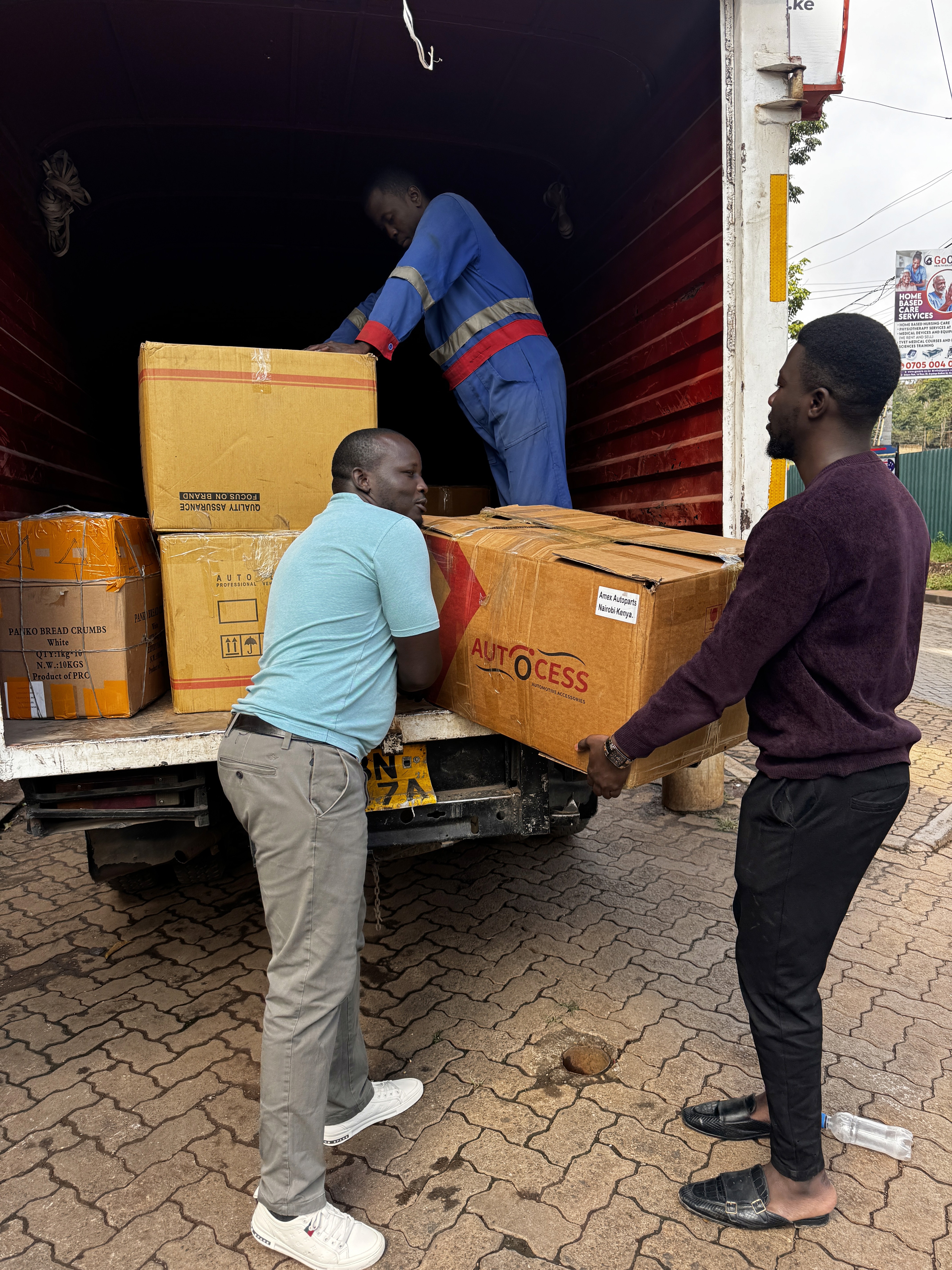
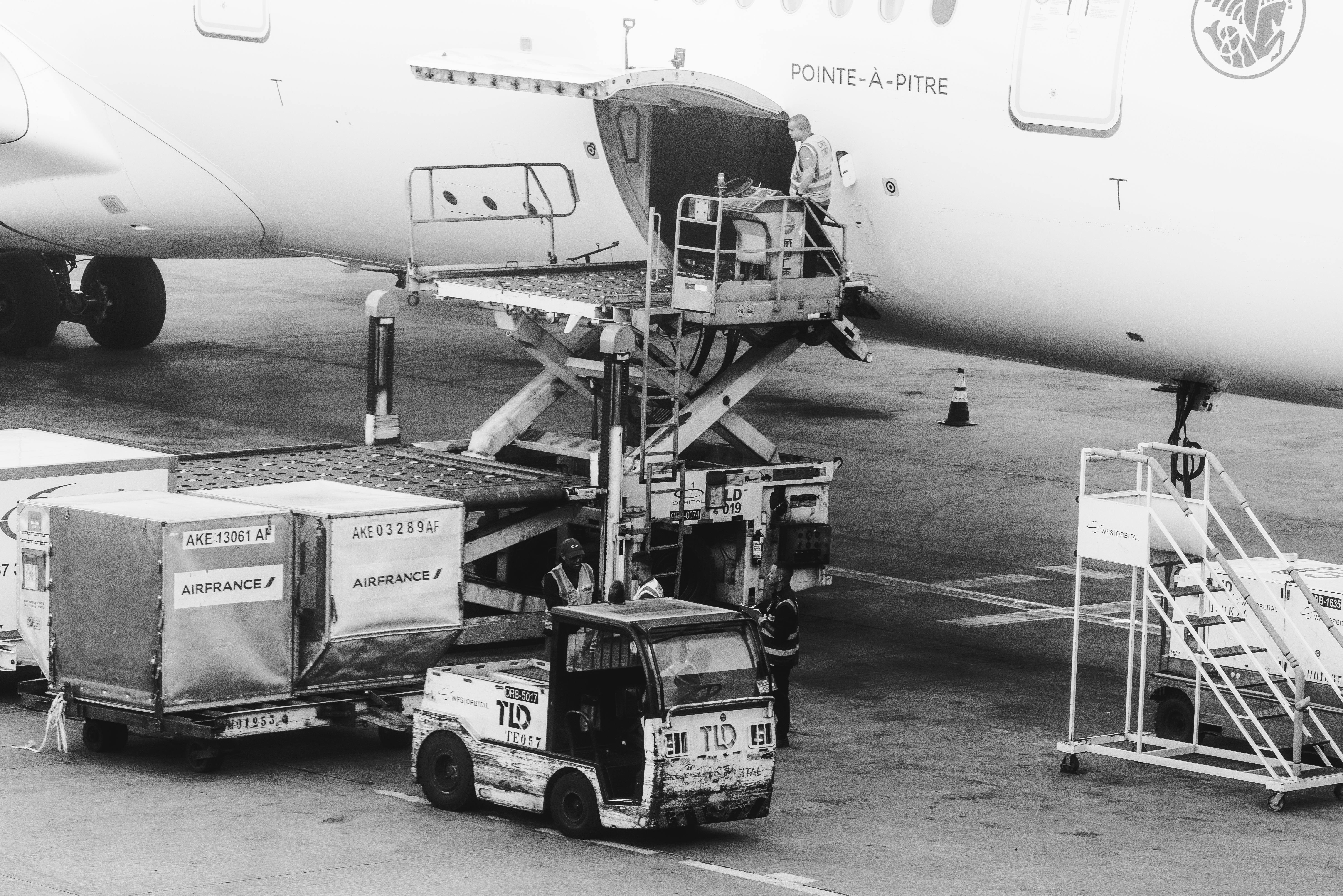
Products must move. Orders must arrive on time. Returns must be handled efficiently. Compliance must be seamless.
This is where logistics becomes the determining factor.
Preferential Access Creates Opportunity. Logistics Unlocks It.
AGOA lowers trade barriers. But without reliable cross-border infrastructure, businesses struggle to capitalize on that advantage.
As ecommerce continues to grow, more African merchants are selling directly to US customers through digital storefronts. That shift increases the need for:
Predictable international shipping timelines
Transparent pricing
Customs compliance support
Scalable fulfillment infrastructure
Trade policy opens doors. Logistics determines whether businesses can walk through them.
What This Means for E-commerce
The extension of AGOA will likely accelerate:
Growth in direct-to-consumer exports from Africa
Increased demand for US-bound shipping lanes
Expansion of digitally native African brands
For logistics providers, this moment signals a shift. Cross-border trade from Africa can no longer rely on fragmented, manual systems. It requires infrastructure built specifically for African merchants.
The Bigger Picture
At ShipShap, we see the AGOA extension as a signal of where the future is heading.
More African businesses will look outward.
More brands will build for global markets from day one.
More merchants will require seamless shipping solutions that support international scale.
Because trade agreements create possibility.
But infrastructure creates growth.
If you are a merchant considering selling to the US or already shipping internationally this moment matters.
The opportunity is expanding. The question is whether your logistics is ready for it.